
Travel Destinations
Let Your Mind Wander
From the vanished empires of the Habsburgs and Ottomans to the cultural avant-garde of salons and cafés, studios and concert halls, Central Europe defies simple narratives. Trace the echoes of shifting alliances, political intrigues, and complex identities as you cross modern frontiers that once meant something else entirely.
Vienna
Prague
Budapest
Berlin
Vienna
coffee and concertos
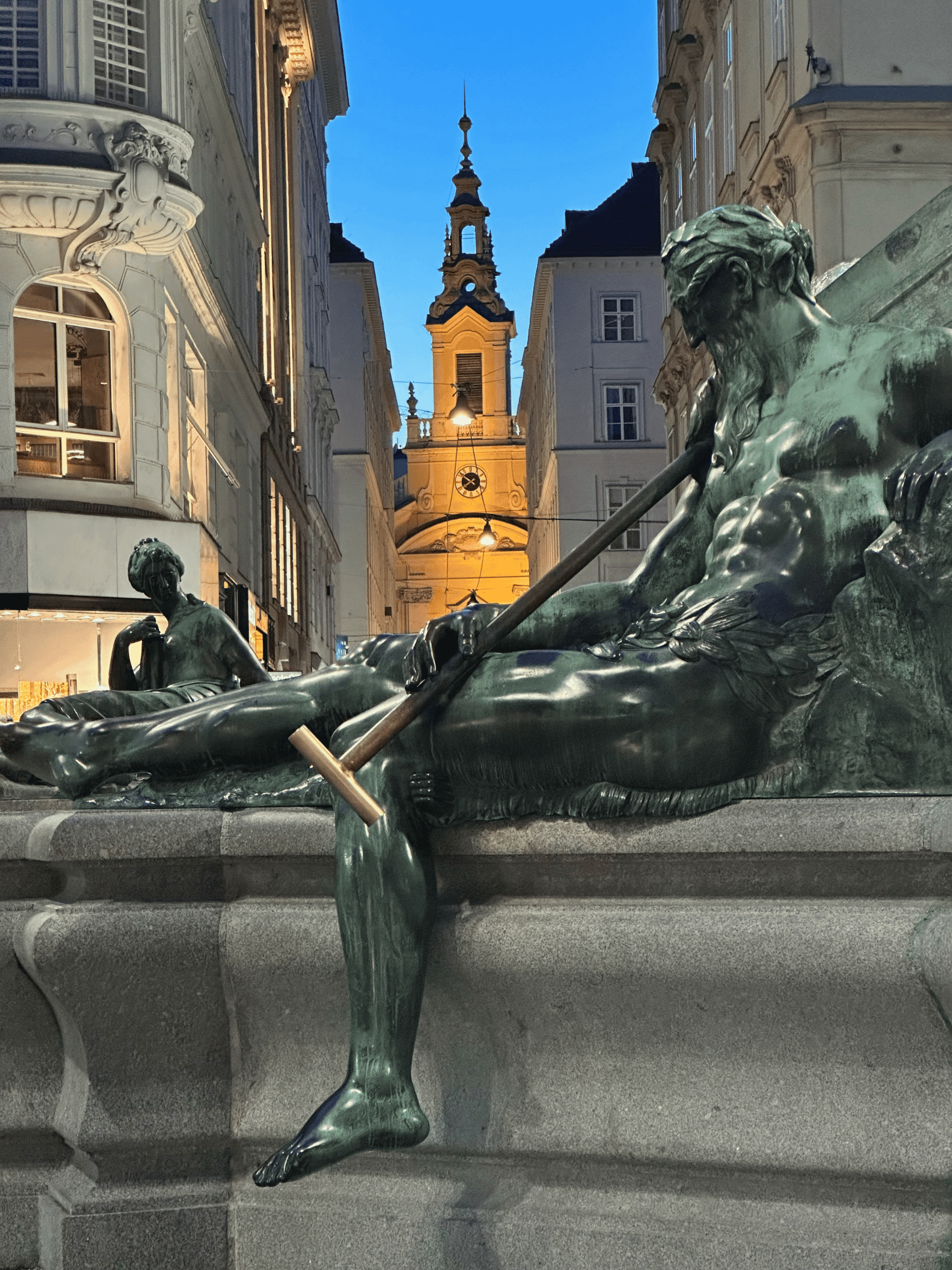
Vienna carries its history with grace. This city has nurtured imperial ceremony, musical genius, and radical thought from its ornate palaces to its lively cafes and literary and artistic salons. Amid the hushed conversations of polite society, Freud analyzed dreams, while political exiles plotted revolutions. Even as an Emperor clung to pomp and circumstance — as they so often do — artists and architects broke free from conventions of the day. Among them were Klimt, with his seductively shimmering portraits, Wagner, with his balanced geometry, and Loos, with his minimalist designs. In Vienna, beauty can be found everywhere. The joy is that it can be admired over coffee and a torte.
Prague
Skyline and Soul
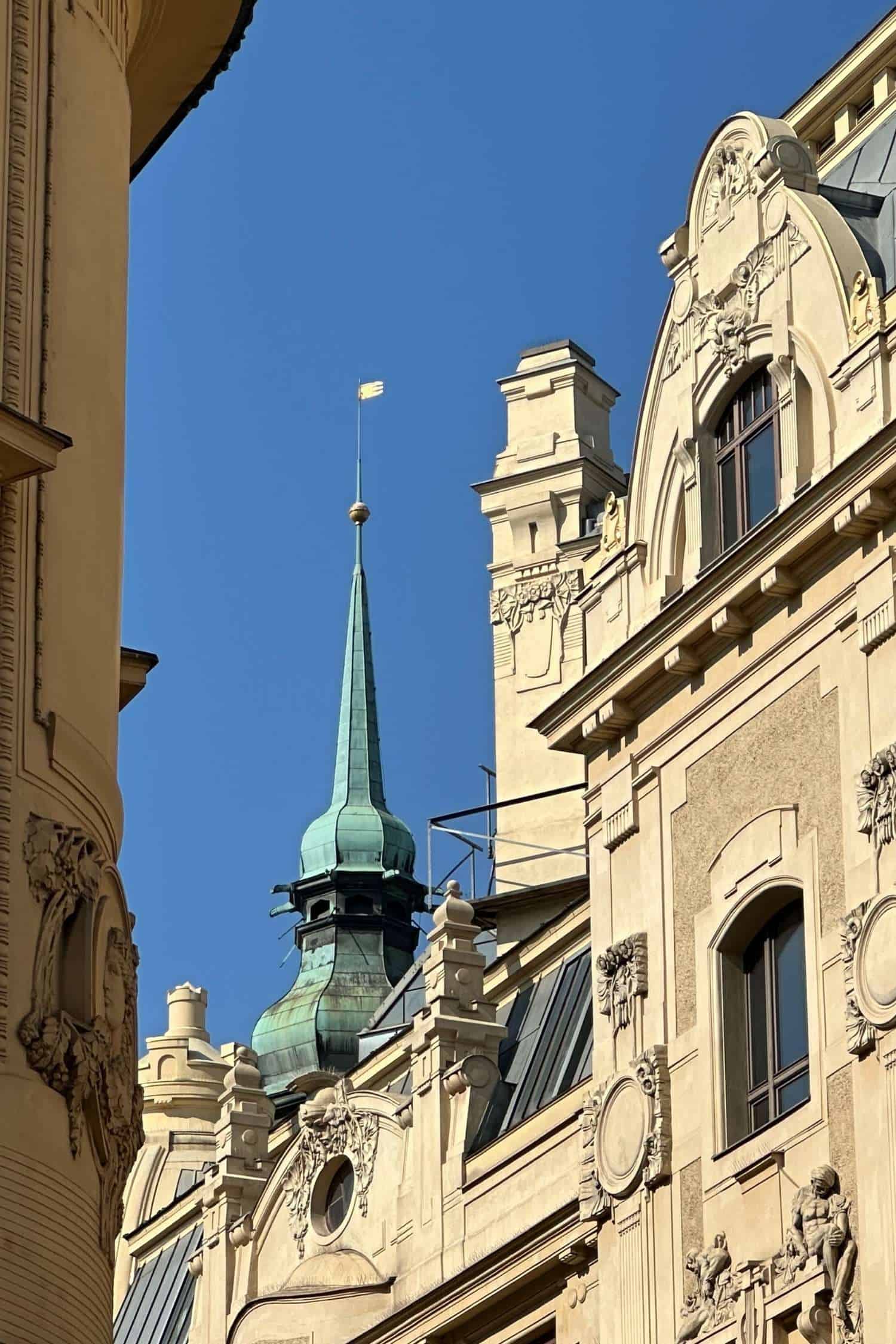
Prague is a city of contrasts. Its Gothic towers, Baroque domes, Cubist forms, and the fluid curves of Frank Gehry’s “Dancing House” are juxtaposed along a skyline that evokes both authority and subversion. Walk along its cobblestone streets and up stepped hills, and you’ll arrive at elevated vistas where layers of history unfold on the horizon. From the one-time seat of the Holy Roman Empire to the epicenter of the Velvet Revolution. In its cafés, students, philosophers, and dissident playwrights once gathered for coffee, cigarettes, and conversations tinged with hope and uncertainty. They touched upon many of the same questions that once haunted Kafka: What does freedom mean, and who has the courage to claim it?
Budapest
Citadel and Spice
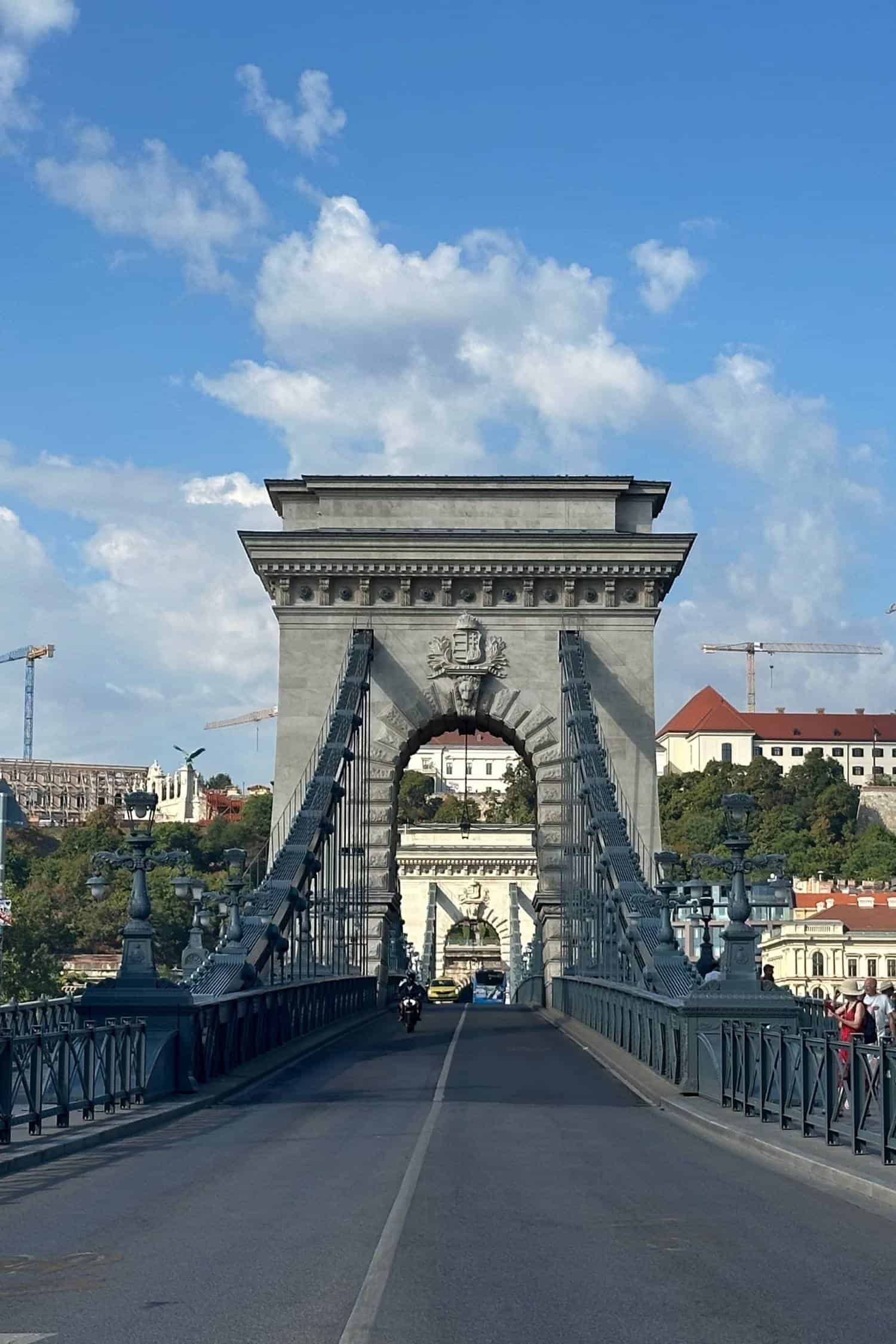
In Budapest, an imposing castle flanks the heights on the Buda side of the Danube, while on the Pest side, the Neo-Gothic Parliament dominates the riverfront. From whatever vantage point, it’s clear that empire, occupation, and transformation have shaped the sweeping landscape. Along the city’s grand boulevards, you’ll find Ottoman traces among Austro-Hungarian influences and Art Nouveau whimsy. Venture beyond the center and you’ll discover a leafy park where the heroes of a toppled ideology are cast in granite. At the end of the day? A warm bowl of goulash or a glass of sweet Tokaji inevitably awaits.
Berlin
cabaret and concrete
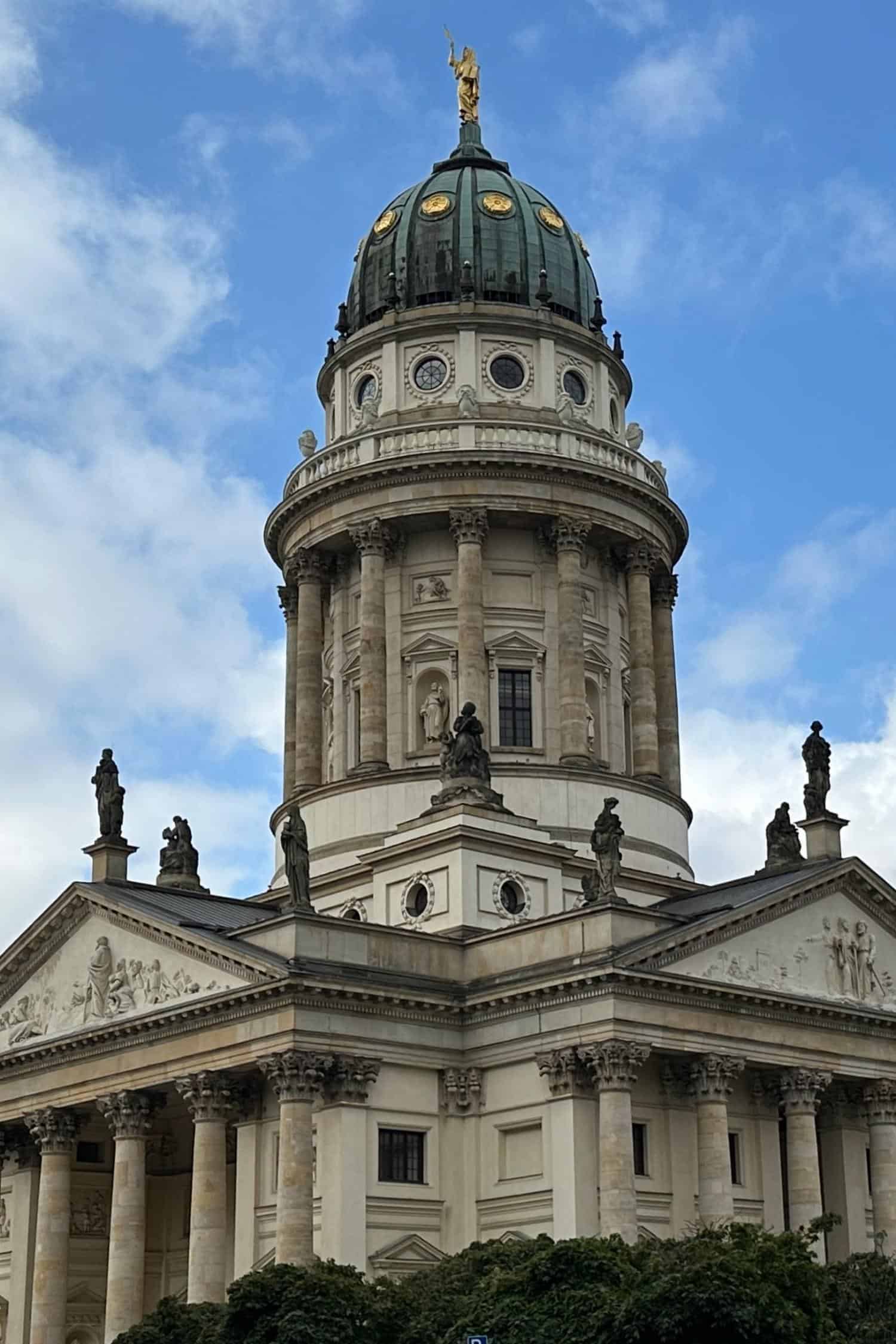
Berlin is defined by rupture and reinvention, from the strict geometry of the Bauhaus to the austere sweep of Alexanderplatz and the reintegration of a city center once dissected by a concrete wall. A magnet for bohemians and provocateurs, its cultural life has always thrived in the margins. Smoky, Weimar-era cabarets created pockets of freedom where patrons could escape fate. A few decades later, Cold War spies met in the shadows as tanks faced off across the glare of spotlit checkpoints. Today, the scene along the Spree is somewhat different. Murals and open-air art installations spill across old industrial lots, while cavernous clubs and chic cafes occupy once-abandoned spaces. The city still carries a charged energy, pulsing like a scene from Metropolis.